After Dizzying Reversals, What’s the Status of SNAP in New York Right Now?



Supplemental Nutrition Assistance Program (SNAP) benefits, the anti-hunger federal program that serves over 42 million Americans, are still in a state of limbo.
But New York started releasing full SNAP payments on Sunday.
That’s following a complicated court fight that’s seen several reversals in policy, including four different directives in just the last week.
First, citing the ongoing government shutdown, the Trump Administration announced it would not use reserves to fund SNAP in November. That decision was challenged by several lawsuits, and on Thursday, a federal judge ordered that SNAP benefits be fully funded for the month.
The Trump Administration then made an emergency appeal to the Supreme Court, which stayed the court order.
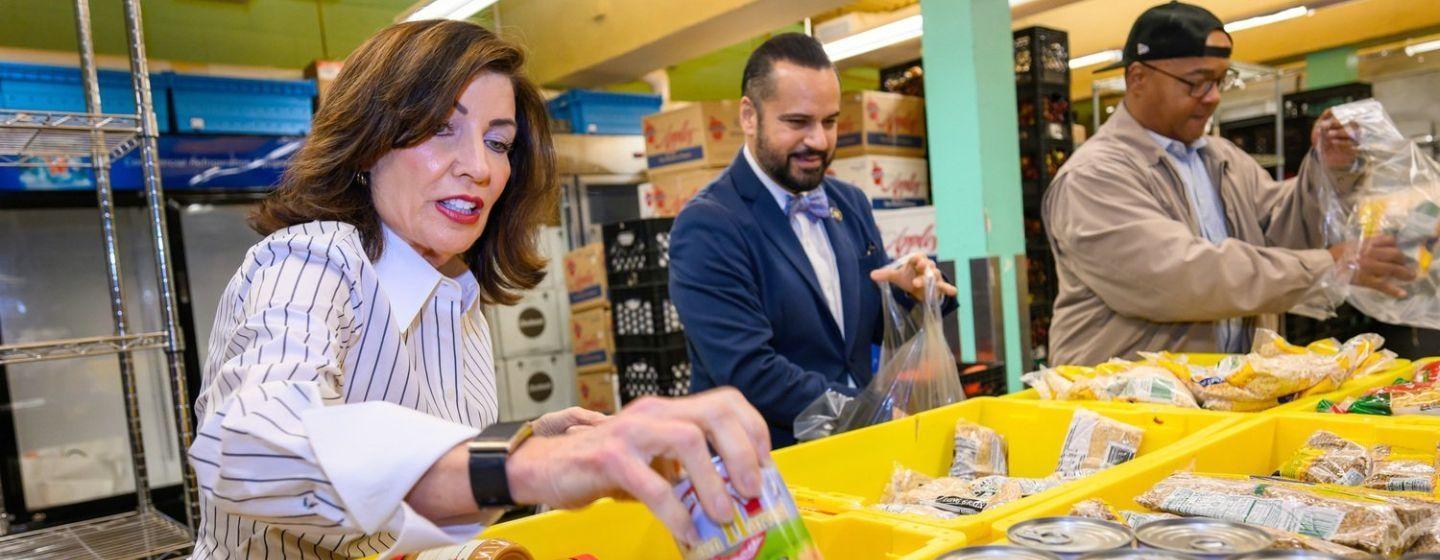
But several states, including New York, had already started to act. Governor Kathy Hochul directed state agencies on Friday to start issuing full benefits. The first wave of New Yorkers received those yesterday.
That’s despite the Trump Administration ordering states not to disburse payments and threatening ‘financial penalties’ for those that did.
Further complicating the payments was a late-night Sunday vote in which the Senate advanced a deal to end the government shutdown. That will take at least several days to confirm, and leaves open the question of whether the federal government must fund SNAP in the short-term.
On a local level, several North Country counties have taken steps to fund local food banks and anti-hunger programs. That includes St. Lawrence, Essex, Hamilton, and Warren Counties.
On Friday, the Warren County Board of Supervisors voted to give $150,000 to the Regional Food Bank of Northeastern New York to provide food assistance to county residents.
This is a New York Public News Network story originally published by NCPR.
Related

Advocates Say a New York Congresswoman Is Blocking Care for People With Incurable Breast Cancer
A New York woman with metastatic breast cancer is fighting for faster access to federal disability and Medicare benefits as a bipartisan bill stalls in Congress.