

On June 19th, 1865, Union Major General Gordon Granger stood on the balcony of a building called Ashton Villa in Galveston, Texas and delivered “General Order No. 3.” He announced that the slaves in the states of the former Confederacy had been freed. This was the first time the people of Texas, especially the quarter million enslaved African Americans, learned about what President Abraham Lincoln had done by issuing the Emancipation Proclamation. Slavery did not legally end in the United States until the 13th Amendment was ratified six months later, but June 19th became a day of jubilee for black Americans to celebrate the end of slavery.
Freedmen and freedwomen in Texas held the first celebration in 1866. It was originally known as “Emancipation Day” or “Jubilee Day.” Celebration activities included baseball, barbecues, rodeos, prayers, historical and cultural lectures and singing. Civic and voting information was distributed to celebrants, too, especially after 1870 when the 15th Amendment gave black men the right to vote.
Most public spaces were closed to black Texans for celebrations, so they were held in rural areas or at black churches. Groups like the Colored People’s Festival and Emancipation Park Association, led by black community and church leaders, bought property like what became Emancipation Park in Houston in 1872 to hold their festivities. Other parks established in Texas for early celebrations included Booker T. Washington Park in Mexia and Emancipation Park in Austin. Over the next few decades, celebrations thrived. One of the largest celebrations saw 20,000 African Americans participate in events at Booker T. Washington Park.
It wasn’t until the 1890s that the day finally became known as Juneteenth.
After the abolition of slavery, the freedmen and freedwomen of Texas searched for formerly enslaved family members in nearby states and even moved out of the south as part of the Great Migration, taking the observance of Juneteenth with them. In the early 1900s, celebrations were being held in Arkansas, Louisiana and Oklahoma, Alabama, Florida and even California. At the same time, the racist Jim Crow culture was taking hold, which caused public expressions of community to decline among black Americans. The first few decades of the 20th Century saw some of the worst racial discrimination and violence in the post-slavery United States, causing Juneteenth celebrations to become rare.
Juneteenth began a revival as the Texas State Fair became a regular site of yearly celebrations again beginning in the late 1930s. It continued its resurgence as the Civil Rights Movement began in the 1950s. Activists made connections between theirs and the slaves’ struggles for identity, community and equality. In 1968, the “Poor People’s Campaign,” organized by Martin Luther King, Jr. and led by Ralph Abernathy after King’s assassination, held a “Solidarity Day” on June 19th during its march on Washington. Many of the tens of thousands of participants, black and white Americans, brought the idea of Juneteenth back to their hometowns, breathing life into existing observances, beginning new traditions of celebrating and making a push for its designation as a holiday.
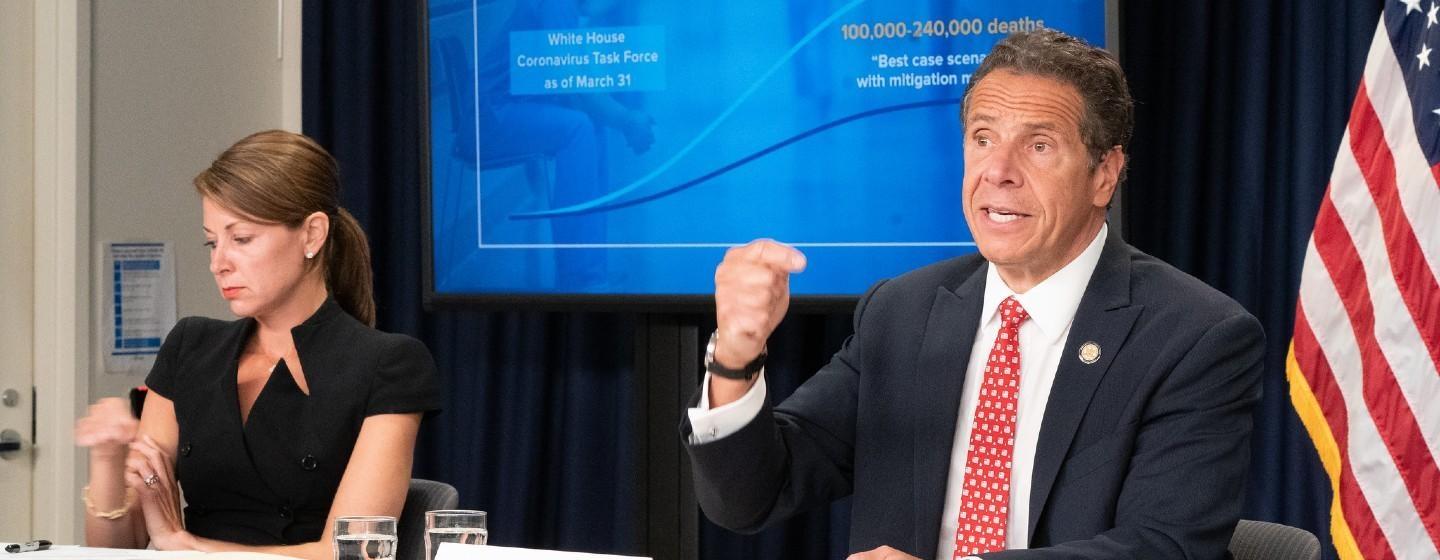
In 1980, Texas appropriately became the first state to acknowledge Juneteenth as an observed state holiday. Throughout the 1980s, Juneteenth celebrations were being held in more places than ever before, as far from Galveston as Minneapolis and Milwaukee. Over the last thirty years, forty-six more states have recognized the cultural and historical significance of Juneteenth either as a holiday or at least a day of remembrance. In 2004, New York Governor George Pataki acknowledged Juneteenth as a day of commemoration, falling short of making it an observed, state holiday. On June 17th this year, Governor Andrew Cuomo announced he would sign an executive order making Juneteenth a holiday for state employees and would push legislation making it a statewide holiday beginning in 2021.