Methane Measurement Change Pushed by the Hochul Admin Could Hurt the Environment, Advocates Say



Dan Clark: We are now one-week past New York's deadline for a state budget, and so far we still don't have a spending plan for the next 12 months. and frankly, we don't really know when we will. After cruising past the initial deadline last week, lawmakers and Governor Hochul approved a budget extender on Monday, and that expires this coming Monday, April 10th.
As far as we know, progress has been slow. In the first half of the week, budget negotiations were almost exclusively about changes to the state's bail reform law. Assembly Speaker Carl Heastie said this on Monday.
Carl Heastie: I would say bail is now taking up pretty much all the oxygen in the room and everything else is second. I mean, conversations are still being had, but I'd say it was bail and housing that were 90%, bail itself now 90%.
DC: By the middle of the week that had changed. Heastie told reporters that other issues are now being discussed as part of budget talks.
Governor Kathy Hochul told reporters that she's not expecting a budget deal by the coming deadline. We're expecting another extender, though we don't know for how long. That's because we don't really know if a deal is close or if it's weeks away.
Senate Republican leader Rob Ortt had this to say.
Rob Ortt: This is for me, eight years, the first time I can ever remember getting to this date with really just absolutely no clarity on a state budget, even a framework, table targets, anything like that.
DC: We're not expecting to learn more until Monday. More on that with this week's panel, but first, some environmental news at the Capitol this week.
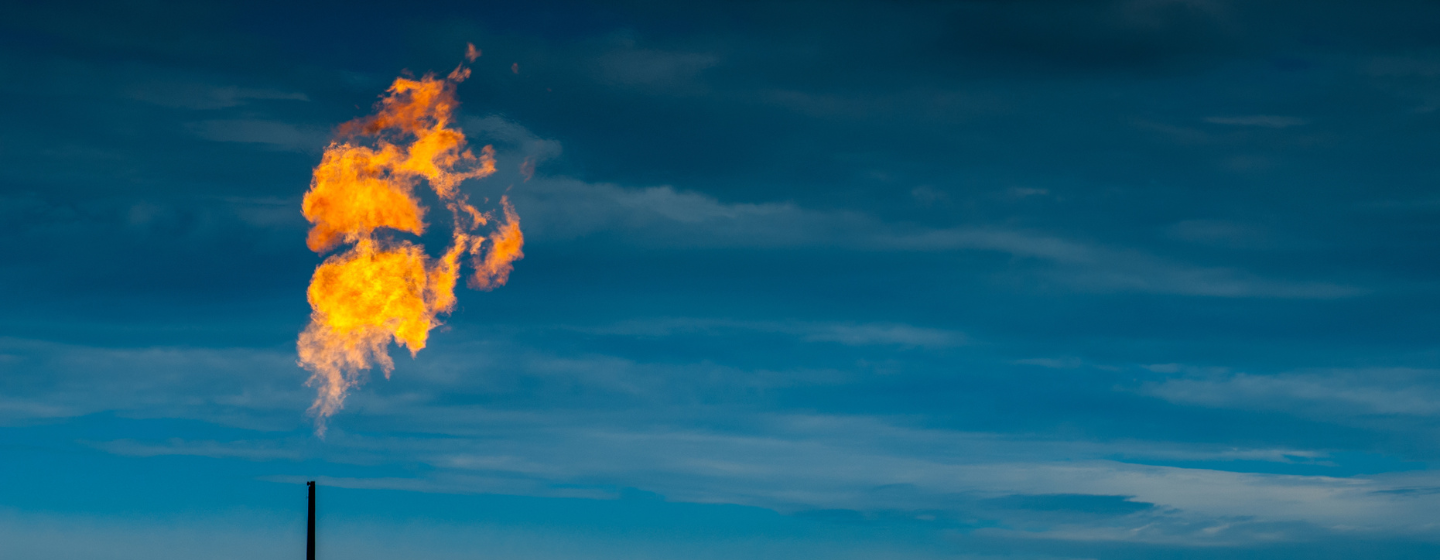
The Hochul administration is pushing a change in the state's energy transition that they say will reduce costs for consumers over the next few decades, but environmentalists say it would downplay the impact of emissions from methane, the main component of natural gas.
It all goes back to 2019, when New York passed its landmark climate law. That law set the state's ambitious climate targets over the next three decades. Those include a 40% reduction in greenhouse gas emissions by 2030 and an 85% reduction by 2050. To get there, the law outlined a way to measure carbon emissions. Right now, emissions from methane would be measured over 20 years.
The Hochul administration, through new legislation, wants to change that to 100 years, and that's a big change. State DEC (Department of Environmental Conservation) Commissioner Basil Seggos says without it, the costs for consumers will be higher.
Basil Seggos: What that translates into is upwards of $0.62 a gallon of gasoline increase and an 80% increase in home heating costs, and that obviously gave us cause for concern.
DC: Before we explain how it would save consumers money, I want to break down the science of it and why environmentalists are against it. Methane is a really potent fossil fuel. According to the U.S. EPA, it's 25 times stronger than CO2, another greenhouse gas. But the thing about methane is that it breaks down in the air relatively fast. [Source]
After about 12 years, methane dissipates and leaves behind CO2 and water. So, if you look at the climate impact of methane over 20 years, it's going to look really strong because a lot of it will still be in the atmosphere, but if you measure it over 100 years, the emissions from methane look smaller because most of it will have broken down.
That's why environmentalists are against the change.
Anna Kelles: What this bill will do is it will water down our estimation of methane. Methane is in the atmosphere for a maximum of 12 years, but this is saying that we will measure it on 100 years, which means that for 90 years of it, where it has zero impact, it will water down the ten years that it has a tremendous impact.
DC: So that's the science side of it, now for the cost.
We know that reducing emissions to meet the state's climate goals will be expensive, especially for power producers and distributors, and those companies can pass on those costs to consumers. So, if the state changes how methane is measured and that shows emissions as lower over a longer time, those companies don't have to work as hard to meet their emissions goals.
So, in other words, good for the fossil fuel industry, but less good for the environment. The hope, the state says, is that it would be cheaper for consumers. NYSERDA (Energy Research and Development Authority) CEO Doreen Harris said this.
Doreen Harris: When you put that all together, it means there are substantial costs that will be borne by New Yorkers that they otherwise wouldn't have to pay. And that's a central aspect of why we are advancing this change so that it's affordable for New Yorkers to realize the Climate Act’s goals.
DC: The Hochul administration walked back that proposal saying it's still on the table, but that they won't push for it in the budget.
Watch the Video
NY State Methane Policy: Costs vs. Climate Goals.