

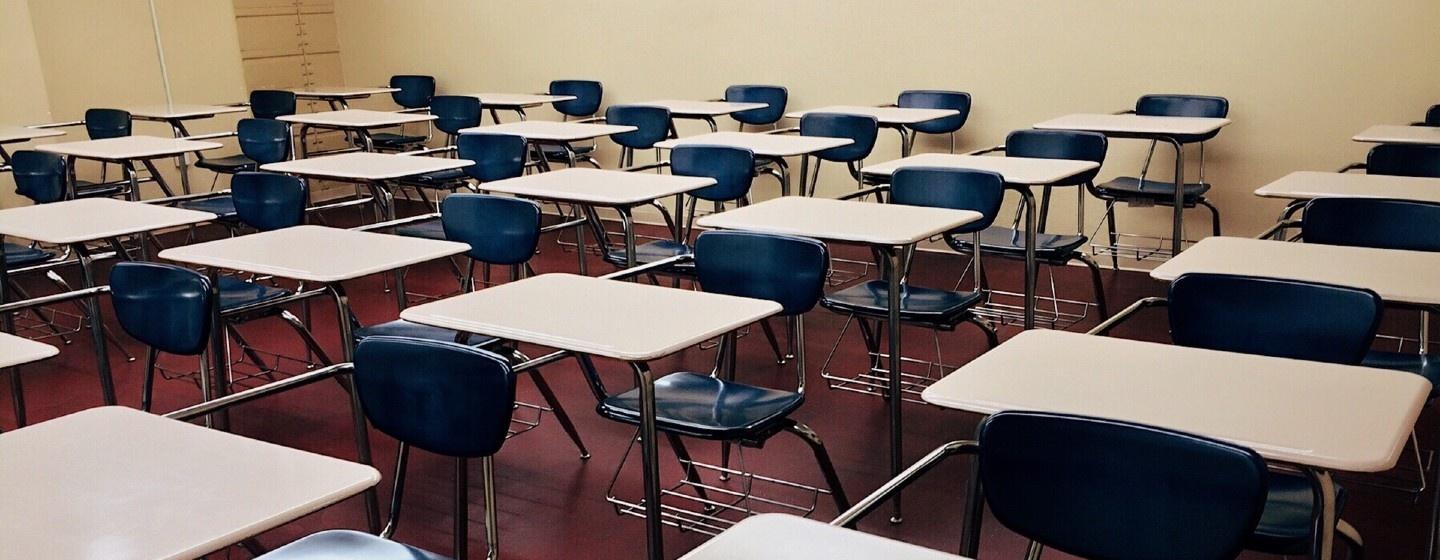
The coronavirus has set the stage for the most unusual school year. It has created an atmosphere of anxiety, confusion, and even fear for students and parents, faculty, and staff. As Wendy Castiglia, a social worker in the Hamburg Central School District south of Buffalo says, “if kids are not in a good emotional state if they’re distracted by worries and anxieties, they are not going to be able to learn anything.”
Castiglia says that moving to remote learning initially worked well, but once it became clear that it was going to be for the rest of the school year, she began noticing more negative reactions. For many, it was a school year that ended without a chance to say goodbye to friends or beloved teachers. It amounted to trauma for some kids. For others, it was not as severe, but it still produced significant negative memories.
In New York, there are over 250 school districts that don’t have even one social worker on staff. Castiglia is the only mental health worker on staff at her school for 350 students. She said the end of the school year was stressful. Social workers were unable to do home visits for safety reasons and communication often became difficult between parents and school faculty and staff whose personal and professional lives were all upended by the coronavirus.
Castiglia says sometimes social worker just needs to put eyes on the students they work with. They get to know them in a way a classroom teacher doesn’t and can tell, just by looking at them, how they are feeling, and whether or not their needs are being met. Social workers provide a space
for all students, even if it’s just to talk about life and how to navigate those awkward, yet formative, adolescent years.
The beginning of a new school year brings anxiety in its own right, Castiglia says, like kids not knowing their way around the building and where their classes are and hesitance about meeting a new teacher and classmates. Like so many other issues in education, the coronavirus has not created any of the stressful situations students are facing, it has only amplified them.
Everyone has responded to the pandemic differently, Castiglia says, but what is important is to be careful how we respond to each other. The virus may not create the same level of anxiety in everyone, but she says everyone has to do what is best for them, and whatever will help them sleep at night. The same goes for kids. Castiglia hopes that school can be conducted in person at least some of the time, so counselors and social workers can best monitor how kids are adjusting and adapting to the stress of the disruption caused by COVID-19. She encourages parents to watch out for significant changes in their kids’ mood or behavior patterns like a lack of motivation, sleep and even hygiene and contact their child’s school social worker, if their school has one if they have any concerns.
“Will it be difficult? Of course,” Castiglia says. “Are we going to be able to accomplish what we normally do? No.” The challenges educators faced in the spring as school shut down was unprecedented, but she says they were able to rise to them. As reopening during a pandemic continues to pose known and unknown challenges, she says it will be “stressful and difficult” to rise to meet them again, “but I think we can do it.”