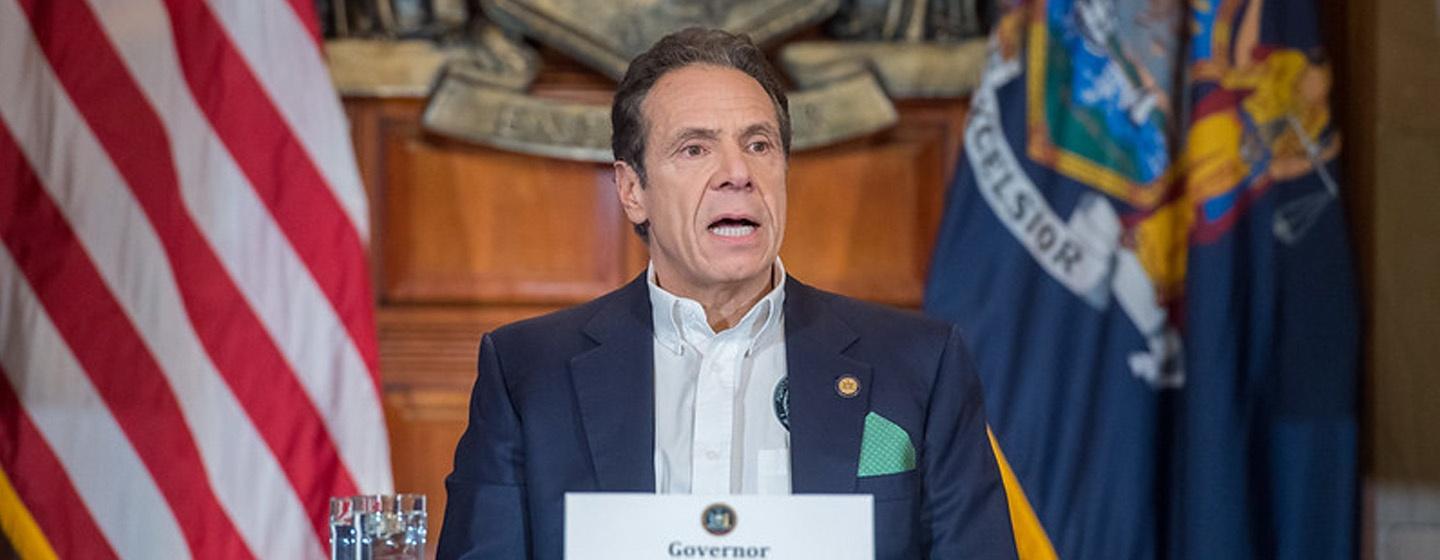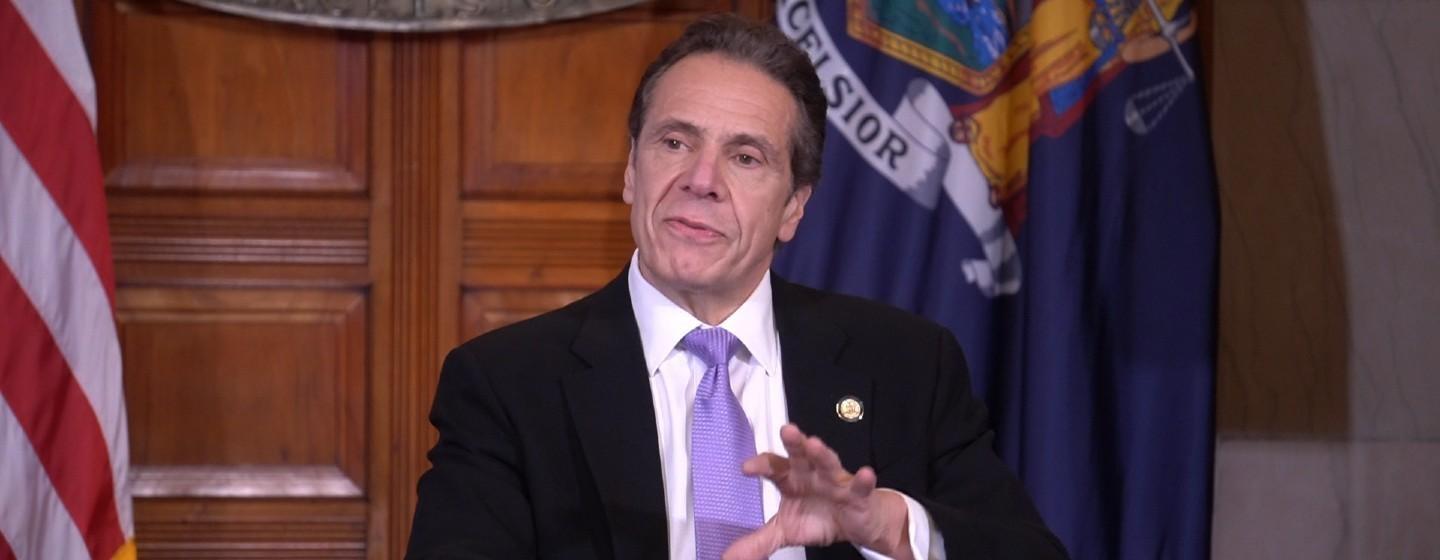


After Governor Andrew Cuomo waived the seven-day waiting period to claim unemployment, the state Department of Labor website crashed Monday due to an increase in claims at levels not seen since 9/11.
Deanna Cohen, department spokeswoman assured New Yorkers, though, that despite the increase, “make no mistake, anyone entitled to these benefits is going to receive them in a timely manner.”
How many New Yorkers could enter a period of unemployment, and how long that period could be in the end, is still anyone’s guess. E. J. McMahon, founder of the Empire Center for Public Policy, believes it could be worse than the recession of the early 2000s, the worst economic downturn in recent memory.
“You can fix a computer glitch,” McMahon said of the website crash. “But I don’t think the problem is how the safety net operates. I think the problem is how the economy operates in the future for all these people.”
In another measure to stabilize the financial uncertainty the pandemic has created, Cuomo and State Attorney General Letitia James have announced a moratorium on the collection of medical and student debt owed to the state.
The suspension will last for an initial period of 30 days, March 16 through April 15. Extension will be considered after 30 days and New Yorkers can apply for other types of debt to be considered for temporary suspension.
“This new action to temporarily suspend the collection of debt owed to the state will help mitigate the adverse financial impact of the outbreak on individuals, families, communities and businesses in New York State, as we continue to do everything we can to slow the spread of the virus," Cuomo said.
There are currently over 165,000 cases of outstanding debt owed to state institutions like hospitals and veterans’ homes, SUNY and from individual debtors, sole-proprietors, small business owners and homeowners. For more information, and to find out if you qualify for temporary relief, contact the Attorney General’s office: 1-800-771-7755 or fill out the form on-line.